Brain Injuries and Traumatic Brain Injuries (TBI):
Brain injuries, including traumatic brain injuries (TBI) and mild traumatic brain injury, are serious medical conditions that can disrupt lives in an instant. Whether caused by sports impacts, falls, or workplace accidents, these injuries can range from a brief concussion to life-threatening brain damage.
This comprehensive guide explains what you need to know about brain injuries, how tbis are diagnosed and treated, what the CDC and Centers for Disease Control say about prevention, and what steps to take if you or a loved one has suffered a TBI. Understanding symptoms, treatment options, and long-term risks can protect your health—and possibly your legal rights.
What Are Brain Injuries and Traumatic Brain Injuries (TBI)?
Brain injuries occur when an outside force disrupts the normal function of the brain. Among them, traumatic brain injuries—commonly referred to as tbi—are caused by a blow to the head, jolt, or penetrating injury that affects how the brain works. According to the Centers for Disease Control and Prevention (CDC), tbis are the result of impacts that alter brain tissue and cognitive function.
A tbi typically happens after a sudden jolt to the head or when someone is struck by an object. In more severe cases, a penetrating tbi occurs when there is an object entering the skull and damaging brain tissue. These traumatic brain injuries range from mild to life-threatening, and severe tbis can cause permanent brain damage or even death.
Brain injuries may be classified as mild, moderate, or severe depending on symptoms and imaging results. They range from mild concussions to severe tbi cases involving extensive head trauma and long-term disability.
What Is a Concussion or Mild Traumatic Brain Injury?
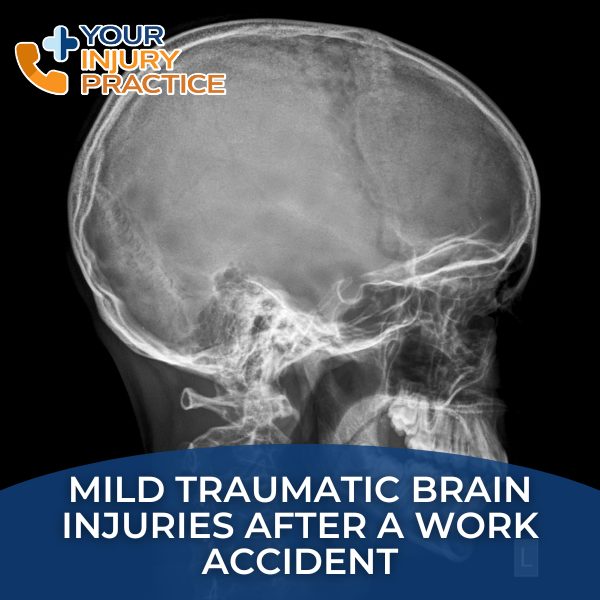
A concussion is often considered a mild tbi, and it is one of the most common forms of traumatic brain injuries. A mild traumatic brain injury is typically caused by a bump, blow, or jolt that temporarily disrupts normal brain function. Even mild tbis can have significant effects.
Although classified as mild, symptoms may include problems with thinking, memory problems, dizziness, headaches, and emotional symptoms. A person’s memory and reaction time may be affected even when imaging appears normal. Post-concussion symptoms can linger weeks after the injury.
It’s important to note that even mild tbis should not be ignored. When left untreated, they may cause damage that leads to longer-term complications or persistent cognitive difficulties.
How Do TBIs Happen in Workplace Accidents?
Many brain injuries occur during workplace accidents, especially in construction, manufacturing, and other high-risk occupational environments. A brain injury at work may happen when a worker is struck by an object, falls from a height, or experiences blunt tbi from heavy machinery.
Workplace accidents involving inadequate protective equipment increase the risk of serious injuries. In some cases, injured workers suffer head injuries because proper personal protective equipment was not used or provided.
When tbis may occur in occupational settings, employees may pursue a workers’ compensation claim. In severe cases, they may also consider a personal injury lawsuit if negligence contributed to the accident.
What Are the Symptoms of TBI and When Should You Seek Medical Attention?
Recognizing tbi symptoms early is crucial. Symptoms may include confusion, headaches, nausea, mood or behavior changes, and problems with thinking. Emotional symptoms such as irritability or depression are also common.
If someone experiences loss of consciousness, repeated vomiting, or worsening headaches after a blow to the head, they should seek immediate medical attention. Emergency care and emergency medical services may be necessary, especially in cases of moderate or severe tbi.
A medical evaluation by a healthcare provider ensures the injury is properly diagnosed and treated. Medical providers may use computed tomography scans to check for bleeding or structural damage.
How Are Traumatic Brain Injuries Diagnosed and Treated?
Traumatic brain injuries are diagnosed and treated through a combination of neurological exams and imaging studies. At a medical center, doctors assess cognitive abilities, balance, and reaction time.
For severe tbis, emergency care is critical to prevent further brain damage. Treatment options vary depending on the severity, but may include surgery, medication, and intensive monitoring.
Following a tbi, rehabilitation often plays a key role in restoring normal function of the brain. Rehabilitation programs may involve physical therapy, cognitive therapy, and speech therapy.
What Are the Differences Between Mild, Moderate, and Severe TBI?
TBIs are classified as mild, moderate, or severe based on consciousness levels and neurological impairment. Mild tbis typically involve short-term symptoms, while moderate or severe tbi cases involve longer unconsciousness or more significant deficits.
Severe tbi can cause damage to part of the brain responsible for speech, movement, or memory. Severe tbis often require prolonged hospitalization and ongoing rehabilitation.
TBIs may cause short- or long-term disability depending on the extent of injury. Some individuals experience long-lasting effects that impact daily life and employment.
Can TBIs Cause Long-Term Disability or Long-Lasting Effects?
Yes, tbis may cause long-term disability, especially when injuries are not promptly treated. Brain injuries can interfere with a person’s ability to work, communicate, or live independently.
Due to long-term complications, people with a tbi may struggle with cognitive issues, emotional symptoms, or persistent headaches. TBIs may cause ongoing challenges with memory, attention, and mood or behavior.
In the most serious cases, brain injuries can result in permanent impairment or even death. Early intervention reduces the risk of long-lasting effects.
What Does the CDC and National Research Say About TBIs?
The CDC and the broader public health community, including the National Institute of Neurological Disorders and Stroke, emphasize prevention and awareness. The CDC reports that tbis are a major public health concern affecting children and adults.
According to the Centers for Disease Control, many tbis are preventable through safety measures such as wearing protective equipment and improving workplace safety standards.
The Department of Defense and Veterans Affairs also study tbi-related injuries, particularly among military personnel exposed to blasts and head trauma.
What Should Injured Workers Know About Legal and Financial Options?
If you suffered a tbi in workplace accidents, you may be entitled to compensation for medical care and lost wages. Injured workers can pursue a workers’ compensation claim to cover treatment and rehabilitation costs.
In certain circumstances, you may also file a personal injury lawsuit if negligence caused the accident. Legal support ensures you receive compensation for serious injuries and ongoing medical services.
TBIs can lead to financial hardship due to long-term disability. Understanding your rights is critical if you suffered a tbi at work.
How Can Brain Injuries Be Prevented?
Many brain injuries are preventable. Using personal protective equipment in occupational settings significantly reduces the risk of head injuries.
Workplace safety training and hazard awareness programs also decrease the likelihood of tbis. Ensuring that machinery is maintained and environments are safe helps prevent blunt tbi and penetrating tbi incidents.
Preventing brain injuries protects not only workers but entire communities. Proactive safety measures save lives.
Key Takeaways About Brain Injuries and TBI
- Brain injuries and traumatic brain injuries (tbi) can range from mild concussion to severe tbi with life-threatening consequences.
- Even mild tbis should be evaluated, as symptoms may appear weeks after the injury.
- Workplace accidents are a common cause of occupational brain injury at work.
- Early medical evaluation and emergency care are essential in moderate or severe tbi cases.
- Traumatic brain injuries are diagnosed and treated using neurological exams and imaging such as computed tomography.
- Rehabilitation is often necessary to restore normal brain function.
- TBIs may cause long-term disability and long-lasting effects if left untreated.
- The CDC and Centers for Disease Control emphasize prevention through protective equipment and safety standards.