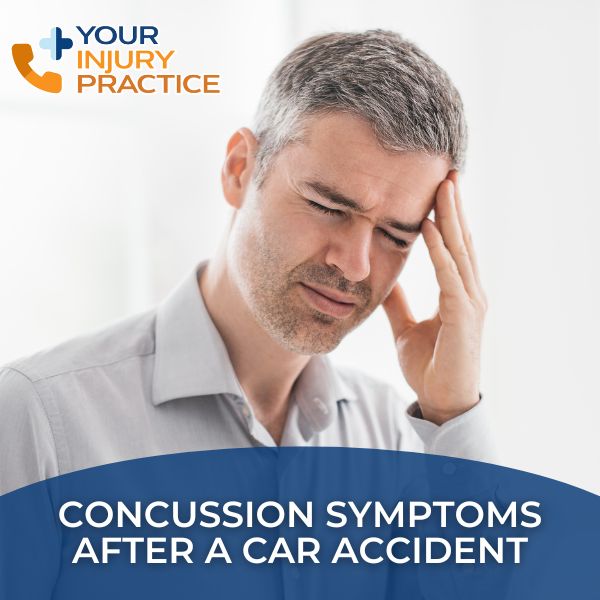
A concussion is one of the most common head injuries suffered in a car accident, yet it is also one of the most misunderstood. Many accident victims assume that if they did not lose consciousness or if symptoms feel minor, they are not seriously hurt. In reality, even a seemingly minor hit to the head or head trauma during a car crash can result in brain injuries, including traumatic brain injuries (TBI).
Understanding the concussion symptoms and knowing when to seek medical attention is critical for protecting your long-term health and your legal rights.
What Is a Concussion?
A concussion is a mild traumatic brain injury, often referred to as a mild traumatic brain injury or mild brain injury. Despite the word “mild,” a “mild concussion can still cause serious and lasting complications. A concussion occurs when the brain moves rapidly inside your head, often due to a direct blow to the head, direct blow, or even without a direct blow, such as sudden stopping or whiplash.
You can suffer a concussion from:
-
A blow to the head
-
A hit your head moment on the steering wheel or window
-
A direct blow to the head
-
A violent jolt affecting the head and neck
A car accident concussion may occur even when there are no visible injuries.
Common Concussion Symptoms After a Car Accident
According to the Centers for Disease Control and the Disease Control and Prevention guidelines, symptoms of a concussion can vary widely. Symptoms may appear immediately after the accident, or they may be delayed symptoms that show up hours or days later.
Common symptoms include:
-
Headache
-
Dizziness
-
Trouble focusing
-
Confusion or feeling “foggy”
-
Mood changes
-
Sensitivity to light or noise
-
Sleeping more than usual
-
Fatigue
-
Nausea
These are all signs and symptoms and concussion clues that you’ve suffered a concussion. Symptoms often interfere with daily activities, work, and driving.
Warning Signs You Shouldn’t Ignore
Some warning signs of a concussion indicate a more serious brain condition or serious brain injuries. Signs to watch for include:
-
Worsening or severe headache
-
Repeated vomiting
-
Brain swelling
-
Slurred speech
-
Seizures
-
Unequal pupil size
-
Severe head pain
-
Loss of coordination
These warning signs and warning signs of a concussion require immediate medical attention. Ignoring a concussion can allow symptoms to worsen and may result in brain damage or permanent damage.
Post-Concussion Symptoms and Long-Term Risks
While many people recover, some experience post-concussion symptoms or post-concussion syndrome. This occurs when symptoms persist beyond the expected recovery window.
Post-concussion or lasting symptoms may include:
-
Ongoing headaches
-
Mood changes
-
Memory issues
-
Trouble focusing
-
Sleep disturbances
-
Ongoing symptoms
If you are still experiencing symptoms, especially when symptoms don’t improve or symptoms can last for days or weeks, it’s essential to see a doctor.
Without treatment, a concussion left untreated can interfere with healing and increase the risk of permanent brain damage.
Why a Second Concussion Is Dangerous
One of the most serious risks is a second concussion before the first one heals. A second concussion can trigger second impact syndrome, a rare but potentially fatal condition that causes rapid brain swelling.
This is why even a mild concussion must be taken seriously. An injury can lead to catastrophic outcomes if the brain has not fully healed from the first one heals process.
Getting Proper Medical Care After a Car Accident
If a car accident caused your injury, it’s vital to get checked as soon as possible. A medical provider may use imaging such as CT scans or MRIs to rule out more serious conditions like bleeding or serious brain injuries.
Prompt medical care and specialized concussion care help ensure:
-
Accurate diagnosis of TBI
-
Monitoring of symptoms appear
-
Prevention of permanent damage
Healthcare providers may also evaluate symptoms of a mild or symptoms after a mild traumatic injury to ensure proper recovery.
When Negligence Is Involved
If your accident caused a concussion due to someone else’s negligence, you may have grounds for an injury claim. A qualified car accident lawyer can help determine whether your head injuries and brain injuries entitle you to compensation for medical bills, lost wages, and ongoing care.
This is especially important for New York car accident cases, where insurance and liability laws can affect your recovery options.
Protect Your Health and Your Future
A concussion can result in serious, long-term consequences if ignored. Symptoms can lead to complications affecting work, relationships, and quality of life. That’s why it’s important to keep an eye on changes in how you feel after a hit to the head or head trauma.
If you notice symptoms like headaches, dizziness, or cognitive changes — or if symptoms may include anything that concerns you — don’t wait.
Seek medical attention, see a doctor, and follow through with treatment. Early care helps ensure recovery and protects you from permanent brain damage.
At Your Injury Practice, we help accident victims get the medical guidance and support they need after a car accident concussion. If you believe you’ve suffered a concussion, contact us today to learn how we can help you move forward safely and confidently.