Wound Care After a Serious Car Accident
The aftermath of a car accident can be overwhelming, especially when you’re dealing with visible injuries to the skin or more serious internal damage. From minor scrapes to life-threatening injuries, proper wound care plays a critical role in helping the body heal, reducing pain, and preventing long-term complications. Understanding how different wounds form, how to respond with first aid, and when to seek medical attention can make a major difference in recovery.
Understanding Car Accident Injuries and Wounds
Car accident injuries vary widely depending on the severity of the crash, speed, and type of impact. Common car accident injuries include broken bones, blunt force trauma, and a wide range of wounds involving the skin and underlying tissue.
A wound is any cut or tear, puncture, or tear in the skin that may involve muscle, fat tissue, or deeper structures. These injuries sustained in a collision often result from accidents with sharp objects, shattered glass, or debris that may lodge into the body as a foreign object.
Some of the most common type of wound seen after a crash include:
-
Scrape or abrasion, including road rash
-
Laceration (a deep or jagged cut or tear)
-
Puncture wounds caused by metal or glass
-
Open wound with visible tissue or bleeding
Each injury carries a different infection risk, especially when there is contamination from dirt, oil, or bacteria at the accident scene.
Minor Wounds vs. Serious Damage
Not all wounds require emergency intervention. Minor wounds, such as minor scrapes or a small abrasion, may be treated at home with proper care. However, a deep cut, heavy bleeding, exposed fat tissue, or wounds caused by high-impact trauma may require professional evaluation.
You should seek medical help as soon as possible if the wound:
-
Will not stop bleeding after you apply direct pressure
-
Shows signs of infection like redness, swelling, warmth, or pus
-
Has a high risk of infection
-
Involves a puncture or puncture wounds
-
Is associated with life-threatening injuries
-
Results in serious damage to underlying tissue
First Aid and Proper Cleaning
Immediate first aid is essential to prevent infection and promote healing. Before touching any wound, always wash your hands thoroughly with soap and water.
To clean the wound properly:
-
Rinse the area gently with clean water.
-
Use mild soap and water to remove dirt and debris.
-
Avoid harsh chemicals that may damage tissue.
-
Perform proper cleaning to reduce bacteria and contamination.
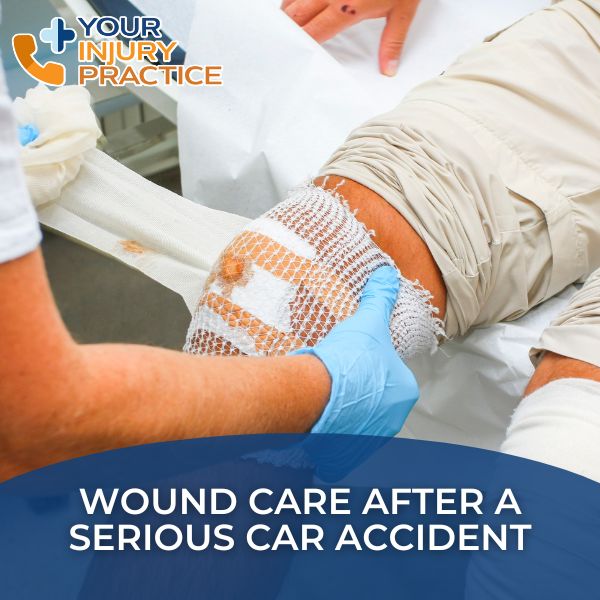
Once cleaned, apply a topical antibiotic or antibiotic ointment to reduce the chance the wound will infect. Cover the area with gauze or a sterile bandage to keep the wound moist and protected. Maintaining moisture improves blood circulation and helps heal the skin more effectively.
Dressing and Ongoing Wound Care
Changing the dressing regularly is a key part of proper wound care. Watch closely for signs of infection, including increasing redness, pain, drainage, or pus. If symptoms worsen, seek medical attention immediately.
For pain and swelling, medications like acetaminophen or ibuprofen may help, depending on individual health needs. In some cases, a tetanus shot may be required, especially if the wound was caused by debris or a dirty object.
Advanced and Professional Wound Care
Some injuries from a car accident go beyond basic treatment. A severe laceration may need a stitch, while complex wounds may require professional wound management.
One advanced treatment option is negative pressure wound therapy, which uses controlled suction to remove fluids, reduce swelling, and improve blood circulation. This therapy can significantly promote healing, especially for wounds involving damaged underlying tissue.
Medical professionals determine proper treatment depending on the severity of the wound. These methods help prevent complications, minimize scar formation, and reduce long-term damage.
When to Elevate and Protect the Injury
If possible, elevate the injured area to reduce swelling and bleeding. Avoid pressure or friction on the wound, especially in cases of open wound or exposed tissue. Keeping the area clean, covered, and stable is critical for recovery.
The Importance of Medical Attention After a Car Accident
Even wounds that appear minor at first can worsen over time. Delayed treatment increases the risk of infection and may lead to permanent damage. Seeking medical attention ensures that wounds are evaluated for hidden trauma, internal injuries, and complications related to blunt force trauma.
How Your Injury Practice Can Help
At Your Injury Practice, we understand how overwhelming the aftermath of a car accident can be. We help connect injured individuals with doctors who provide expert wound care, advanced therapies, and treatment through no-fault insurance. Whether you’re dealing with minor wounds or life-threatening injuries, timely and professional care is essential for proper recovery.
If you’ve been injured in a crash, don’t wait. Getting care soon as possible can protect your health, reduce complications, and support your long-term healing journey.